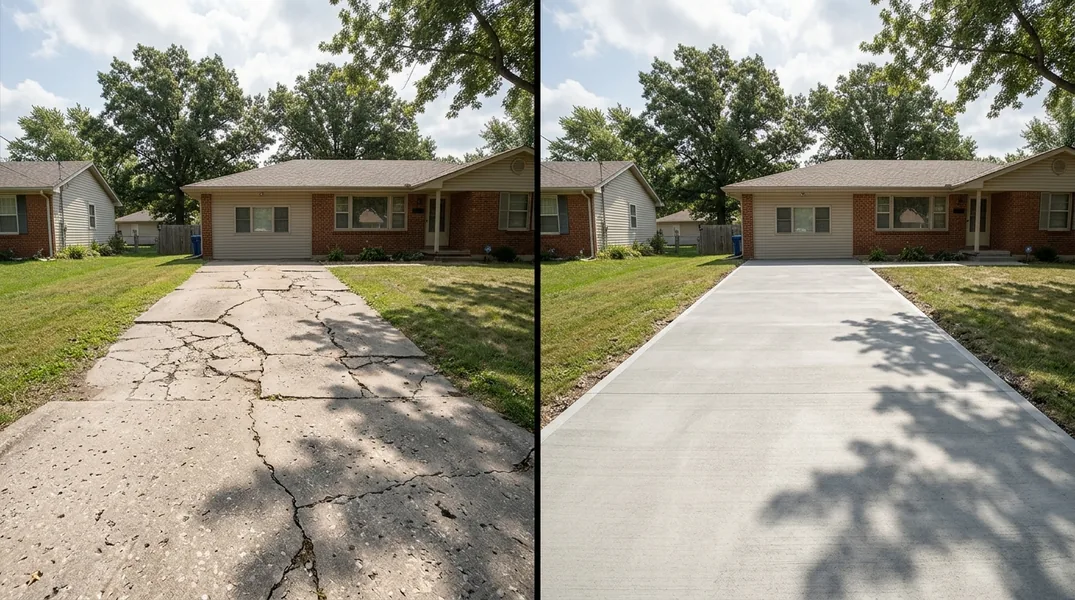
Understanding Concrete Pouring Season in Columbia
If you're planning a concrete project in Columbia, timing is everything. The concrete pouring season in Columbia doesn't follow a simple calendar rule. Instead, it depends on weather conditions, temperature stability, and moisture levels that vary throughout the year. Many homeowners assume they can pour concrete anytime, but the reality is that concrete requires specific environmental conditions to cure properly and develop its full strength.
The ideal window for pouring concrete in Missouri typically runs from late spring through early fall, roughly May through September. During these months, daytime temperatures consistently stay above 50 degrees Fahrenheit, which is the minimum threshold for concrete to cure effectively. However, this general timeline needs adjustment based on specific weather patterns in Columbia each year. Spring can bring unpredictable rain and temperature fluctuations, while late summer heat can actually accelerate curing too quickly, potentially causing surface cracking. Understanding these nuances helps explain why choosing the right contractor matters so much for your project's success.
Spring Pouring: Opportunities and Challenges
Spring in Columbia offers warming temperatures and longer daylight hours, making it an appealing time to tackle Concrete Driveways and other projects. However, spring weather in Missouri is notoriously unpredictable. Late April and May can bring heavy rainfall, which interferes with concrete pouring and curing. If rain falls on freshly poured concrete before it has set, it can damage the surface, create weak spots, and compromise the structural integrity of your driveway or patio.
The other challenge with spring pouring is temperature fluctuation. A warm day in April might be followed by a cold night, and concrete doesn't respond well to these rapid swings. Concrete needs consistent temperatures to cure evenly. If you do decide to pour in spring, wait until mid-May when temperatures have stabilized more consistently above 55 degrees Fahrenheit. A professional free estimate from Columbia Concrete can help you assess whether spring conditions are right for your specific project timeline.
Summer: The Prime Concrete Pouring Window
Summer is widely considered the best time to pour concrete in Missouri, and for good reason. From June through August, Columbia experiences warm, relatively stable temperatures that create ideal curing conditions. Daytime highs typically range from 80 to 90 degrees Fahrenheit, which allows concrete to cure at an optimal pace. The longer daylight hours also give contractors more working time and better visibility for finishing work on Stamped & Decorative Concrete projects or standard driveways.
That said, summer heat does come with its own considerations. Extremely hot days can cause concrete to cure too rapidly, potentially leading to surface cracks and reduced long-term durability. Experienced contractors manage this by using proper curing techniques, such as misting the surface with water and keeping it shaded during the hottest parts of the day. Additionally, summer thunderstorms are common in Missouri, so scheduling around weather forecasts becomes crucial. Despite these minor challenges, summer remains the sweet spot for concrete work, which is why many contractors in Columbia stay busiest during these months.
Fall Pouring and Cold Weather Concrete Curing
Fall offers another viable window for concrete projects, particularly early fall from September through early October. Temperatures are still warm enough to support proper curing, and humidity levels often decrease, which can actually benefit the concrete finishing process. Many homeowners appreciate fall pouring because it means their new Concrete Patios or driveways are ready to use before winter arrives.
However, as fall progresses, cold weather concrete curing becomes a significant concern. Once nighttime temperatures consistently dip below 50 degrees Fahrenheit, concrete curing slows dramatically. Below 40 degrees, the hydration process that makes concrete harden essentially stops. This doesn't mean your concrete won't eventually cure, but it takes considerably longer, and the resulting product may have reduced strength. If you must pour concrete in late fall, your contractor needs to implement special cold weather protocols, including using heated water, adding chemical accelerators, and protecting the concrete with blankets or temporary enclosures. These measures add time and expense to your project, which is why fall pouring after October is generally not recommended in Columbia.
Winter and Early Spring: When to Avoid Concrete Work
Winter is the worst time to pour concrete in Missouri. From November through March, Columbia experiences freezing temperatures, ice, and snow that create hostile conditions for concrete curing. When concrete freezes before it has fully cured, the water within it expands, causing internal damage and significantly weakening the finished product. This damage may not be immediately visible, but it compromises durability and can lead to premature cracking and deterioration.
Early spring, while tempting as temperatures begin to warm, still carries risks. March and early April in Columbia can experience freeze-thaw cycles where temperatures fluctuate above and below freezing within the same week. These cycles are particularly damaging to concrete because they cause repeated expansion and contraction. If you're considering a winter or early spring project, discuss alternatives with a professional contractor. Some homeowners choose to schedule Concrete Repair & Resurfacing work during winter months instead, since existing concrete is more forgiving than new pours. For new projects, it's almost always worth waiting until late spring or summer.
Planning Your Concrete Project: What to Consider
Timing your concrete pour involves more than just checking the calendar. You'll want to consider your specific project type, local weather forecasts, and your contractor's availability. Different projects have different requirements. A standard residential driveway has different needs than decorative concrete work, which often requires more precise conditions and finishing time. Additionally, your project's location matters. Shaded areas may need different timing considerations than sun-exposed driveways.
The best approach is to contact Columbia Concrete at (573) 296-4846 to discuss your project timeline with experienced professionals who understand local conditions intimately. They can evaluate current weather patterns, your specific needs, and your budget to recommend the optimal pouring window. Whether you're planning a summer project or wondering if fall is feasible, a consultation helps you make an informed decision. Getting a free estimate also gives you a realistic timeline and helps you coordinate with your contractor's schedule to secure your preferred season.
Looking for a professional concrete contractor in Columbia? Columbia Concrete responds fast for all your concrete needs.
Get a Free QuoteOur services: Concrete Driveways · Concrete Patios · Stamped & Decorative Concrete