Understanding Your Options: Concrete vs. Pavers in Columbia
When it comes to upgrading your driveway or patio in Columbia, one of the biggest decisions you'll face is whether to go with concrete or pavers. Both materials have earned their place in residential landscaping, and both offer distinct advantages depending on your priorities, budget, and lifestyle. The choice isn't simply about picking the more popular option; it's about understanding what each material can deliver for your specific needs and your home's long-term value.
Concrete has been a staple of American driveways for decades, offering a straightforward, durable surface that withstands heavy use. Pavers, on the other hand, represent a more flexible and aesthetically varied approach, allowing homeowners to create custom patterns and easily replace individual units if damage occurs. Neither option is universally superior; the best choice depends on factors like climate, maintenance tolerance, upfront investment, and your vision for your outdoor space.
Durability and Longevity: How Each Material Holds Up
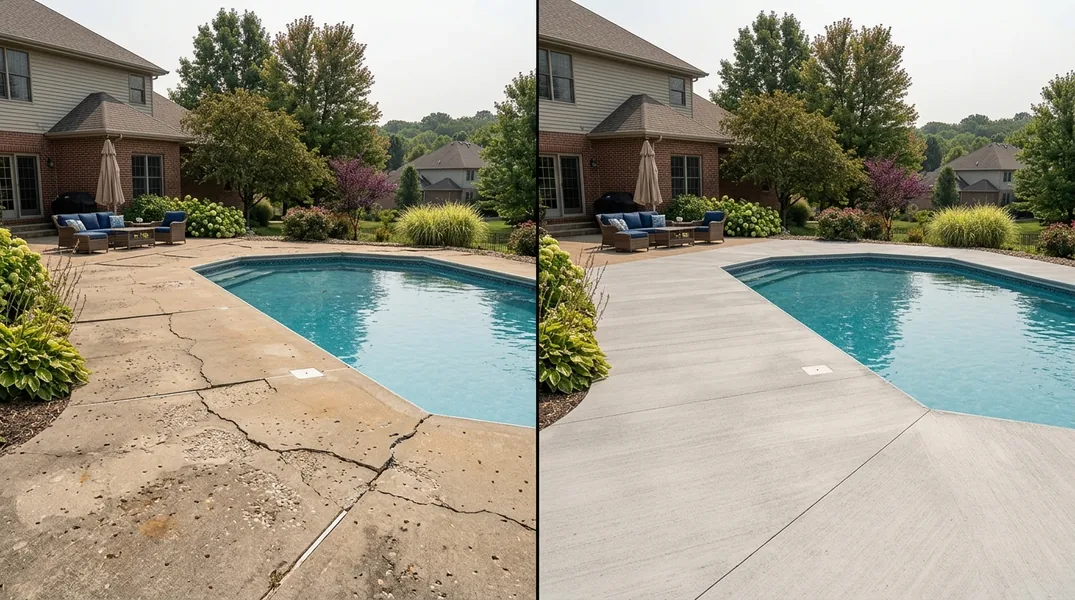
Concrete Driveways typically last between 25 to 40 years with proper maintenance, making them a solid long-term investment for most homeowners. Concrete is monolithic, meaning it's poured as one continuous slab, which gives it exceptional strength under weight and pressure. In Columbia's climate, where freeze-thaw cycles occur during winter months, concrete can develop cracks over time if not sealed properly. However, these cracks are often cosmetic and can be managed through regular Concrete Repair and Resurfacing services.
Pavers, by contrast, typically last 20 to 25 years before significant replacement becomes necessary, though individual units can be swapped out much sooner if they crack or settle unevenly. The modular nature of pavers means that while the system as a whole ages, you're not locked into replacing the entire surface at once. Pavers are excellent at handling freeze-thaw cycles because each unit can move independently, reducing the stress that causes concrete to crack. If a single paver is damaged, you simply remove and replace that one stone rather than cutting out and repouring a section of your driveway.
Maintenance Requirements and Ongoing Care
Concrete driveways demand relatively simple maintenance to stay in good condition. Annual sealing is recommended to protect against moisture penetration, salt damage, and UV degradation. You'll want to clean your concrete surface regularly to prevent algae buildup and staining, and any cracks should be filled promptly to prevent water from seeping underneath and causing further damage. Most homeowners find concrete maintenance manageable and cost-effective, requiring only basic cleaning supplies and occasional professional attention.
Pavers require more hands-on maintenance but offer a different kind of flexibility. The joints between pavers fill with sand, which needs to be replenished periodically as it washes away or compacts. Weeds can grow through these joints, requiring more frequent attention than a solid concrete surface. Pavers also benefit from sealing to protect against staining and weathering, similar to concrete. However, many homeowners appreciate the fact that paver maintenance is primarily about keeping the surface clean and the joints intact; if something goes wrong, you're not facing a major repair project that disrupts your entire driveway.
Concrete Driveways Cost in Columbia: What to Budget
When evaluating pricing for concrete versus pavers, concrete typically offers a lower upfront cost. A standard concrete driveway in Columbia generally ranges from $3 to $8 per square foot installed, depending on site conditions, thickness, and finish. For a typical two-car driveway of about 500 square feet, you're looking at a total investment of $1,500 to $4,000 for basic concrete work. If you're interested in upgrading to Stamped and Decorative Concrete options, costs rise to $8 to $15 per square foot, but you gain significant aesthetic appeal and customization.
Pavers generally cost more upfront, typically ranging from $10 to $20 per square foot installed, which translates to $5,000 to $10,000 for that same 500-square-foot driveway. The higher initial investment reflects the labor-intensive installation process and the premium price of the paver materials themselves. Over the lifetime of your driveway, however, the total cost of ownership may be comparable when you factor in concrete repair and resealing expenses. If you value aesthetics and don't mind spending more initially, pavers can deliver a custom look that concrete simply cannot match. To discuss which option fits your budget, contact Columbia Concrete at (573) 296-4846 for a free estimate.
Aesthetic Appeal and Design Flexibility
Concrete offers surprising design versatility that many homeowners overlook. While plain gray concrete is certainly an option, modern concrete finishes include exposed aggregate, colored concrete, broom-finished surfaces for traction, and stamped patterns that mimic brick, stone, or wood. These decorative options allow you to create a distinctive look that complements your home's architecture without the premium cost of natural pavers. Concrete can be sealed with glossy or matte finishes, and it photographs beautifully in various lighting conditions.
Pavers excel in delivering visual richness and variety. With countless colors, textures, and shapes available, pavers allow for intricate patterns like herringbone, basket weave, or circular designs that would be difficult or impossible to achieve with concrete. Each paver is a distinct unit, creating a dynamic, layered appearance that adds character and curb appeal. If your home has a traditional, Mediterranean, or upscale aesthetic, pavers often feel like the more natural choice. The trade-off is that this flexibility comes with higher costs and more complex installation.
Climate Considerations for Columbia Homeowners
Columbia's climate features cold, wet winters and warm summers, which directly impacts how concrete and pavers perform. Concrete can crack when water seeps into tiny pores, freezes, and expands during winter months. This freeze-thaw cycle is one of the primary reasons concrete driveways eventually develop cracks and require repair. Proper installation with adequate slope for drainage and regular sealing significantly mitigate this risk, but it remains a factor in Columbia's climate. Concrete's monolithic structure also means that settling or soil movement can cause cracking across the entire surface.
Pavers handle freeze-thaw cycles more gracefully because each unit moves independently, absorbing stress without cracking the entire system. However, the sand joints can shift and compact over time, especially in freeze-thaw climates, requiring periodic maintenance to keep the surface level and stable. Both materials need proper base preparation and drainage to perform well in Columbia's weather. The key difference is that concrete requires more preventive sealing and crack management, while pavers demand more frequent joint maintenance but offer better resilience to the physical stress of seasonal temperature swings.
Looking for a professional concrete contractor in Columbia? Columbia Concrete responds fast for all your concrete needs.
Get a Free QuoteOur services: Concrete Driveways · Concrete Patios · Stamped & Decorative Concrete